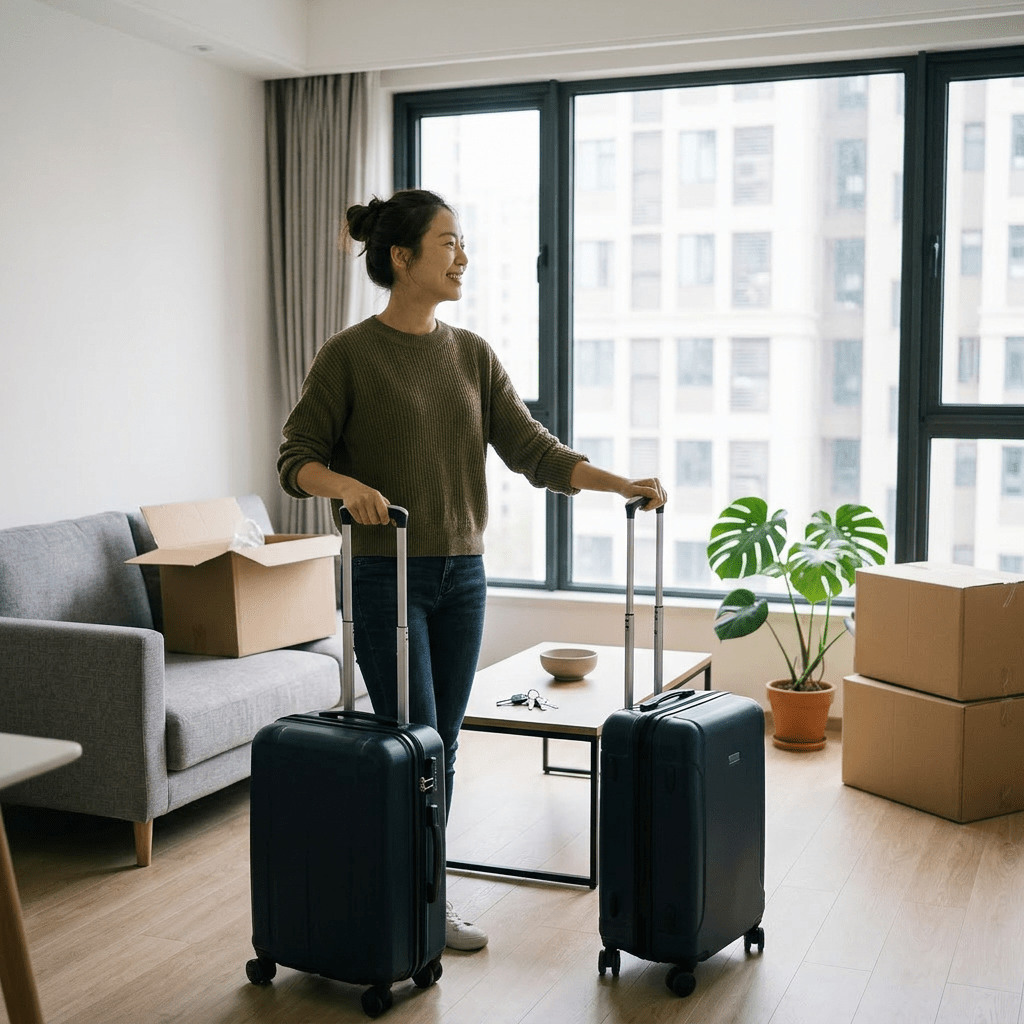
Japan is a country where, once you are settled, things can run very smoothly.
This is largely because systems are structured, organized, and do not change frequently. While policies may evolve over time, most day-to-day processes remain stable and predictable.
The real challenge is not living in Japan. It is settling in.
During the first few weeks or months, you will face situations that may not make immediate sense. It can be frustrating, especially when you try to compare it with how things work in your home country.
At some point, it becomes easier to accept that this is simply how the system works. Once you shift that mindset, you will find ways to navigate things more smoothly and with less stress.
Obtaining a Residence Card (Zairyu Card)
This is the most important document you will have as a foreign resident in Japan.
You are required to carry it with you at all times. It functions as your primary identification, and not having it when requested by authorities can lead to serious issues.
If you arrive through a major airport, your residence card is usually issued on the spot. Your photo and fingerprints are taken at immigration, and you will need to present your passport, visa, and Certificate of Eligibility.
If you enter through a smaller airport, you may receive a stamp instead and will need to collect your residence card later at an immigration office.
After arriving, you must register your address at your local city hall within 14 days. This step is essential, as many other processes depend on it.
Renting an Apartment
This is often one of the most frustrating parts for many foreigners.
It is not uncommon for landlords to refuse applications from foreign nationals, even those who have lived in Japan for many years. While this can feel unfair, it is often based on past experiences landlords have had with issues such as garbage disposal, noise complaints, or contract misunderstandings.
Understanding this context does not make it right, but it helps explain why these barriers exist.
Platforms like Suumo or Homes can help you search for properties based on location, price, and size. Once you find a place, you will usually visit a real estate office and submit your documents before viewing or applying.
The cost structure is also different from what many people expect.
In addition to rent, you may be required to pay:
- A security deposit, used for repairs or damages, with any remaining balance returned
- A “key money” or gratitude payment, which is non-refundable and paid to the landlord
You may also need to provide documents such as your residence card, passport, certificate of residence, proof of income or employment, bank details, and sometimes a guarantor.
Opening a Bank Account
Opening a bank account can be another challenge.
Some traditional banks require you to have lived in Japan for at least six months before applying. This creates a common situation where you need a bank account to rent an apartment, but you need an address to open a bank account.
Fortunately, there are workarounds.
Banks like Japan Post Bank (Yucho) and some online banks allow you to open an account earlier in your stay. Some banks, such as SBI Shinsei Bank, also offer English support, which can make the process easier.
You will typically need your residence card, passport, a Japanese phone number, and in some cases a personal seal (hanko) or proof of employment.
Phone and Utilities
Setting up your phone and utilities is another step that requires some planning.
For mobile services, there are many providers with different plans. Some offer lower costs, others include international roaming or specific app benefits.
At the beginning, many people choose a temporary SIM card while they complete other setups. Once everything is in place, you can switch to a long-term contract.
Internet installation can take one to three weeks depending on your location and provider. You may need to be present during installation, and communication is often in Japanese.
Utilities such as electricity, gas, and water are usually not activated automatically. You will need to contact providers and arrange setup yourself, often with limited English support.
Final Thought
At first, all of this can feel complicated.
There are multiple steps, some dependencies between them, and a system that may not always feel intuitive.
But once everything is in place, daily life becomes much easier and very stable.
If you follow a clear order, the process becomes more manageable:
Start with your residence card, register your address, secure a temporary phone line, open a bank account, then move on to housing and utilities.
You may need to handle some steps in parallel, but having a general flow will give you clarity and direction.
Settling in Japan takes patience at the beginning, but once you are through that phase, it becomes one of the most structured and predictable environments to live in.
 Japan Career Lab
Leave a comment